In 1970, San Francisco County Jail inmates sued the Sheriff for providing seriously substandard healthcare in the San Francisco County Jails, leading to illness and death. (C-70-1244, Smith v. Hongisto (first filed as Smith v. Carberry), U.S. District Court N.D.Cal). The Court ordered the Sheriff to improve conditions.
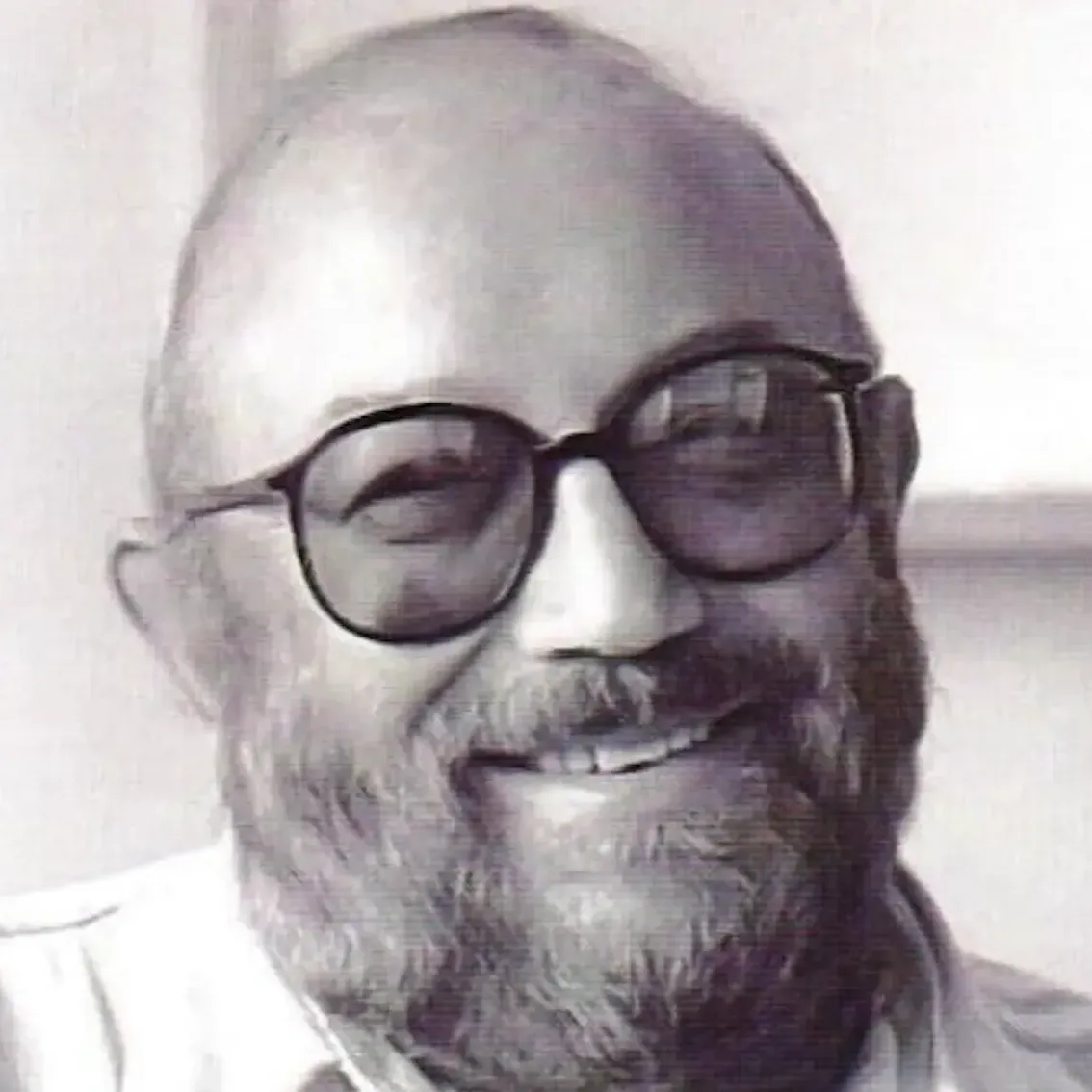
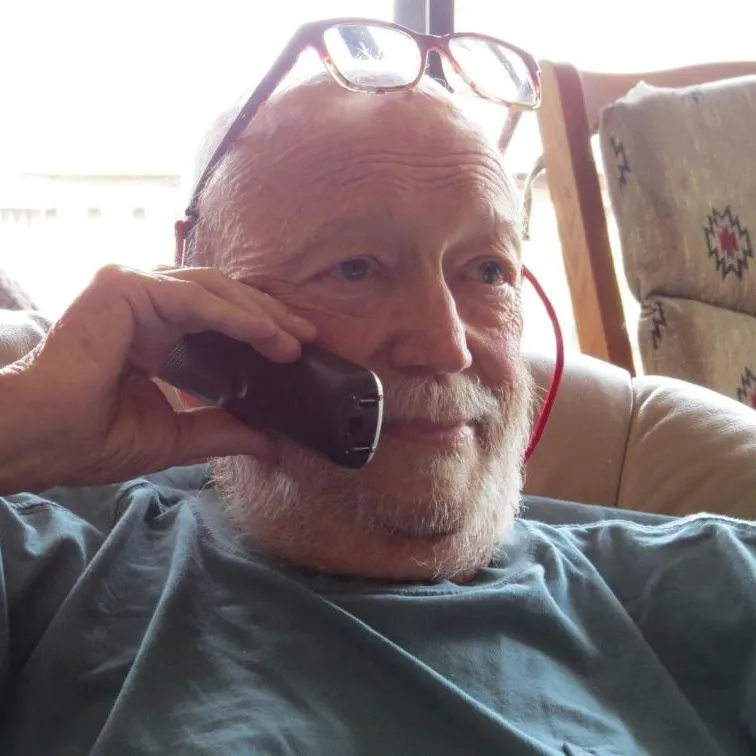
Dr. Richard Fine took on the challenge of establishing standards and implementing programs to provide the community standard of health care to prisoners in the jail. He asserted the revolutionary concept that they too had a right to health care. In the 1970’s, there were officials who publicly stated that prisoners in the jail were bad people who did not deserve ANY health care, much less the high standards demanded by Dr. Fine and his allies in the Health Department and the prison reform movement.
In 1972, Dr. Fine obtained four years of federal funding for the Prisoners’ Health Project (PHP). He established a jail intake health-screening program, ongoing primary care within the Jails, social services, and psychiatric care. The goal of the PHP was to demonstrate that it was possible to provide decent health care to prisoners, both in the jails, and in the Security Ward at San Francisco General Hospital, within a reasonable budget.
He succeeded in having the 20-bed Security Ward included in the design for the new hospital built in 1976. This Security Ward, staffed by deputies from the Sheriff’s Department and doctors, nurses and social workers from the Prisoners Health Project and eventually the Department of Public Health, was the first dedicated inpatient medical-psychiatric facility for incarcerated people in the United States.
Jail Health Services was established as an independent entity within the Department of Public Health and receives its budget for health care personnel from that department. The Sheriff’s Department provides security.
In the four-plus decades since Dick Fine promoted the revolutionary concept that even prisoners in jail deserved quality health care, the Jail Health Services of the San Francisco Department of Public Health has expanded exponentially. Now headed by Dr. Lisa Pratt, a physician board-certified in internal medicine and addiction medicine, the 160-plus member staff of doctors, nurses, nurse practitioners, behavioral health clinicians, dentists and support services provide a high standard of care.
This includes a comprehensive and integrated system of medical, psychiatric and substance abuse care. In a typical year, JHS staff individually triage over 24,000 and medically screen over 16,000. There are two Security Wards at San Francisco General Hospital, one for medical patients and one for psychiatric patients. Jail inmate patients also receive care at SFGH outpatient clinics.
In 2020, staff worked with SFSO Custody Command to address COVID-19 risks in real-time, troubleshooting and implementing solutions, such as testing individuals for COVID-19 at booking, beginning on April 12, 2020.