Author: webmaster

  • The Richard H. Fine Fund

    The Richard H. Fine Fund

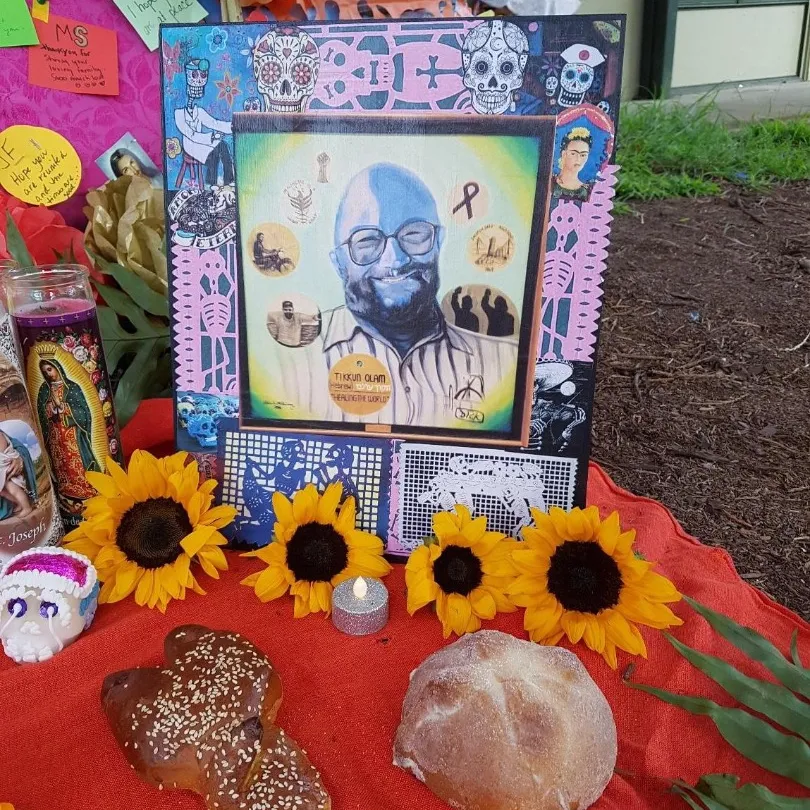
    The Richard H. Fine Fund gives grants to the Richard Fine People’s Clinic for emergency patient care items, most recently during the covid-19 pandemic and shelter-in place. Most memorial funds have a few family members as donors. The Richard H. Fine Fund has over 150 donors who carry on Dick’s legacy by supporting the patients and staff of the Clinic he loved so much.

    Here are some examples of patients’ recent experiences (names have been changed for privacy).

    Juana, age 80, used to come to the Clinic by bus for her regular checkups to manage her high blood pressure. The Covid-19 pandemic made this journey life threatening for someone her age with her health problems.

    If Juana could have her own blood pressure monitor and learn how to use it, she could keep track of her own blood pressure, talk to her health care provider over the phone, and receive advice and adjustments to her medications, without ever leaving home. But a blood pressure monitor costs about $70, an impossible expense for Juana. Insurance rarely if ever pays.

    Robert, age 69, has multiple health problems that require prescription medications, as well as diabetes and an infection in his foot that sometimes causes him to run a fever. He needed a pill pack to organize his medications and a thermometer to take his temperature. But he could not afford either one.

    Other patients need basic items that the rest of us take for granted: a hot water bottle for a stiff neck, comfortable slippers for diabetic foot pain, and nutritional shakes for those who cannot eat solid food. This is where the Richard H. Fine Fund and donors’ generosity came in.

    Supporters made donations to help the Richard Fine People’s Clinic patients afford basic medical supplies during the pandemic. Contribution to the Richard H. Fine Fund helped the frontline workers at the Clinic keep our patients healthy and safe.

    To donate, please visit: www.sfghf.org/donate. In the section that says “Please Use My Gift”, click Other and enter Richard H. Fine Fund.

    Or you can mail a check to: SFGH Foundation, PO Box 410836, San Francisco, CA 94141-0836. Please write Richard H. Fine Fund on the memo line.

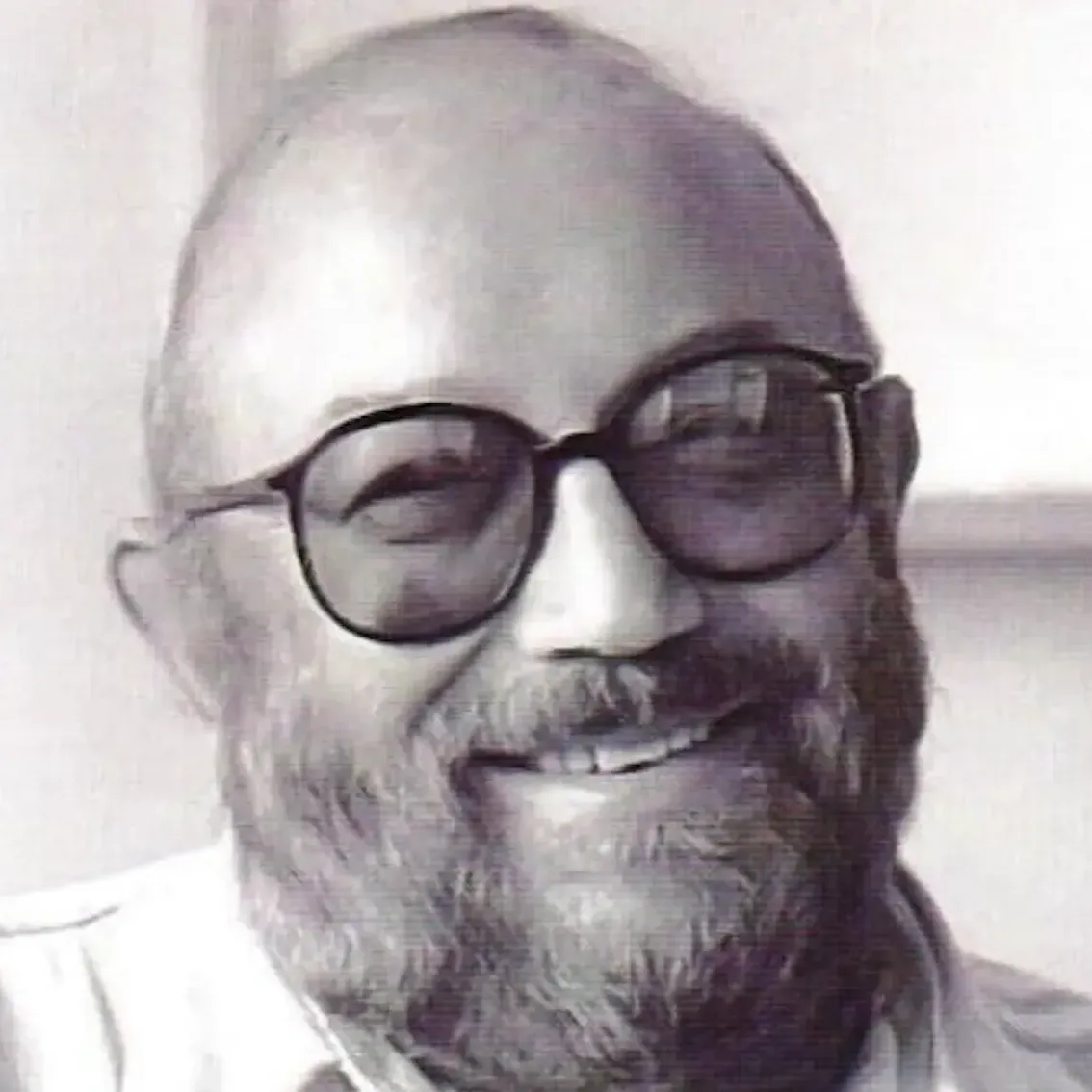
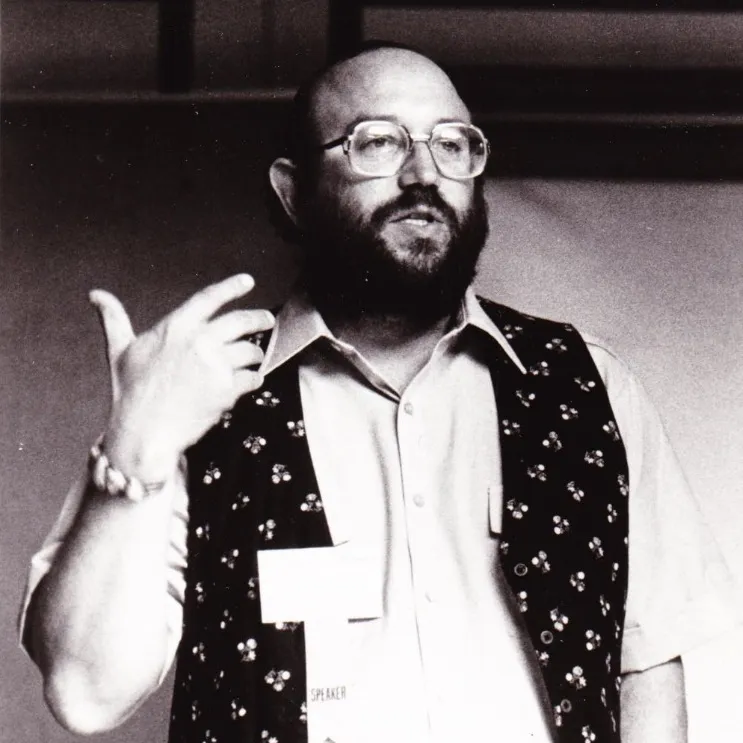
    In May 2015, Fine was presented with the John F. Murray Award and it was announced that the General Medical Clinic, which he founded, and for which he was Medical Director for twenty-five years, would be renamed the Richard H. Fine People’s Clinic.

    In his speech he thanked everyone for his career and for their dedication to the hospital which they all loved. He then admonished them to continue their good work and at the same time “kick some ass”.
  • Peoples’ Clinic

    Peoples’ Clinic

    In May 2015, Fine was presented with the John F. Murray Award and it was announced that the General Medical Clinic, which he founded, and for which he was Medical Director for twenty-five years, would be renamed the Richard H. Fine People’s Clinic.

    In his speech he thanked everyone for his career and for their dedication to the hospital which they all loved. He then admonished them to continue their good work and at the same time “kick some ass”.

  • Addiction

    Addiction

    Dick had treated heroin addicts from Day 1 of his residency in 1966, when there was an epidemic among middle class young white people that drew the attention of the press and the government, and eventually led to a War on Drugs. From the dead overdose victim being dumped on his front porch in 1968 to the prescription drug plague, Dick was familiar with the opiate epidemic.

    In the early 2000s, the City and County of San Francisco and the State of California began to adopt a new model for treating patients addicted to opiates, whether prescription medications or heroin. Dick, like most primary care doctors, took it for granted that he would help his patients kick their addiction to cigarettes or alcohol. Now he wanted to add treatment for opiate addiction to primary care.

    Dick of course was in the vanguard. He adopted a harm-reduction strategy and became certified to prescribe suboxone, or a combination called Buprenorphine, drugs that had been used in Europe for decades.

    As often happened, the US was far behind other countries in adopting public health innovations.

    Dick became a leader of the Office-Based Opiate Addiction Treatment program (OBOAT), which trained clinic doctors and private practitioners to manage opiate addiction as part of their primary care practice. No longer would addicts to prescription meds or heroin be required to go to specialized clinics. Their family doctor could provide treatment for their disease of addiction, right along with treating their high blood pressure, diabetes and providing the rest of their primary care.

    Dick set up meetings to bring together clinicians, researchers, and government officials.

    Hard day today,

    I have a meeting out at the Jail, after the OBOAT training. Milton Estes, the OBOAT doc at the Jail now, left his private practice in Mill Valley. He’s a good guy.

    We may be able to stop the Get Out of Jail and Overdose syndrome. Addicts detox in Jail, due to the relative unavailability of heroin, and then when they’re released they get together with their addict friends, get high and die, because their tolerance has been reduced.

    If they’re on buprenorphine, this won’t happen. We’re lucky Michael Hennessey is such a progressive Sheriff; so open to everything that might help people who are still in the early stages of their criminal career.

    The OBOAT training had gone well. Dick gave the welcome speech. He reminded everybody to pick up their written materials and leave a urine specimen.

    The hotshot from Yale gasped and then hid his eyes. I got one of the only two laughs all day. It was a great meeting but too serious. A hundred people were registered and a hundred and twenty showed up, plus fifteen walk-ins. We ran out of everything. We had to ask the caterer for more food, more chairs.

    People are really interested. This is important stuff. We just need to get the doctors in France to write up what they’ve been doing for the past ten years. They claim all these results but they haven’t published anything.